How to Become a Helicopter Pilot: Training, Licenses and Career Paths
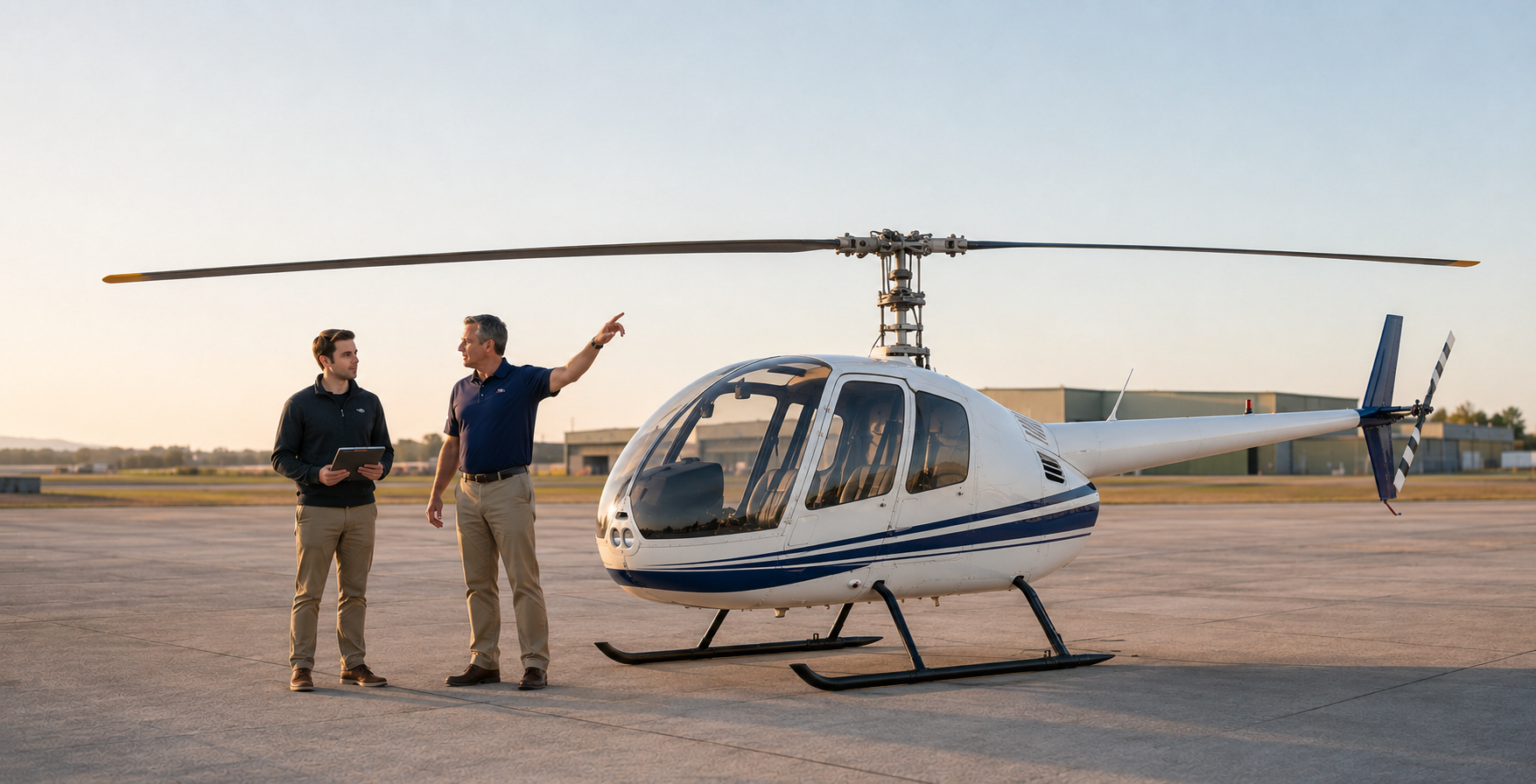
Helicopter pilots operate some of the most versatile aircraft in aviation. They transport passengers, support emergency services, inspect infrastructure, conduct tours, assist law enforcement and reach locations that fixed-wing airplanes cannot easily access.
Becoming a helicopter pilot requires professional flight instruction, FAA certification and consistent practice. Whether you want to fly recreationally or pursue a professional rotorcraft career, understanding the training process can help you choose the right helicopter flight school and prepare financially.
What Does a Helicopter Pilot Do?
Helicopters can hover, take off and land vertically, fly at relatively low altitudes and operate from confined areas. These capabilities create career opportunities in several aviation sectors.
Professional helicopter pilots may work in:
- Air ambulance and emergency medical services
- Law enforcement and public safety
- Firefighting and disaster response
- Offshore oil and gas transportation
- Utility and power-line patrol
- Aerial photography and surveying
- Agricultural operations
- Corporate and charter transportation
- Sightseeing and helicopter tours
- Search-and-rescue operations
- Helicopter flight instruction
Many new commercial helicopter pilots begin as certified flight instructors. Flight instruction allows pilots to gain experience and build the flight time needed to qualify for advanced positions.
Step 1: Take an Introductory Helicopter Flight
A discovery flight is one of the best ways to determine whether helicopter training is right for you. During an introductory lesson, a certified flight instructor will explain the helicopter’s controls, demonstrate basic maneuvers and may allow you to operate the aircraft under supervision.
Helicopters respond differently from airplanes. Students must learn to coordinate the cyclic, collective and anti-torque pedals simultaneously. An introductory flight provides a realistic look at the skills and concentration required.
Step 2: Confirm FAA Eligibility Requirements
To earn a private pilot certificate with a rotorcraft-helicopter rating, applicants generally must:
- Be at least 17 years old
- Read, speak, write and understand English
- Receive training from an authorized flight instructor
- Pass the required FAA knowledge test
- Meet applicable aeronautical experience requirements
- Pass an FAA practical test, commonly called a checkride
Students may begin training before age 17, but they must meet the minimum age requirement before earning the certificate.
A student pilot certificate and an appropriate FAA medical certificate are generally required before flying solo. Prospective career pilots should consider completing their medical examination early to identify any issues that could affect professional eligibility.
Step 3: Choose a Helicopter Flight School
Choosing the right school can significantly affect the cost, duration and quality of your training. Compare multiple helicopter training programs before enrolling.
Ask each school about:
- FAA Part 61 or Part 141 training
- Helicopter types and fleet availability
- Instructor experience and availability
- Aircraft maintenance and safety practices
- Hourly aircraft and instructor rates
- Fuel surcharges and additional fees
- Training schedules and weather limitations
- Financing or scholarship opportunities
- Graduate hiring and instructor pathways
- Average program completion time
Part 61 schools typically offer greater scheduling flexibility. FAA-approved Part 141 schools use structured syllabi and may be better suited to full-time students or programs connected to colleges, veterans’ benefits or career training.
The best option depends on your schedule, budget and professional goals.
Step 4: Earn a Private Pilot Helicopter Certificate
The private pilot certificate is the foundation of helicopter flight training. It allows you to act as pilot in command for personal and recreational flights, although you generally cannot be paid to fly.
FAA Part 61 regulations require a minimum of 40 hours of flight time for a private pilot rotorcraft-helicopter rating. This includes instructor-led training, solo flying, cross-country experience, night operations and preparation for the practical test.
The 40-hour figure is a regulatory minimum. Many students need additional time to become proficient and meet the required standards.
Private helicopter training generally covers:
- Helicopter aerodynamics and systems
- Preflight inspections
- Hovering and hover taxiing
- Normal and crosswind takeoffs
- Approaches and landings
- Airport and heliport operations
- Navigation and cross-country planning
- Radio communication
- Weather interpretation
- Emergency procedures
- Autorotation training
- Aeronautical decision-making
Helicopter flying requires precise coordination. Regular training—several lessons each week when possible—can improve retention and reduce the number of hours needed to become proficient.
Step 5: Add an Instrument Helicopter Rating
An instrument rating teaches pilots to operate by reference to flight instruments when outside visual references are limited. Instrument training includes weather analysis, navigation systems, instrument procedures and communication with air traffic control.
An instrument helicopter rating can improve a pilot’s safety, precision and employability. It is especially important for pilots pursuing careers in emergency medical transportation, offshore operations, corporate aviation and other professional sectors.
Students should confirm that their school has access to appropriately equipped helicopters, simulators and instrument-qualified instructors.
Step 6: Earn a Commercial Helicopter Certificate
Pilots must earn a commercial pilot certificate to be compensated for qualifying flight operations. Applicants must generally be at least 18 years old and meet the applicable FAA knowledge, experience and practical-test requirements.
Under the standard Part 61 pathway, a commercial rotorcraft-helicopter applicant generally needs at least 150 hours of flight time and must satisfy specific helicopter, pilot-in-command, cross-country, instrument and night experience requirements.
Commercial training develops greater accuracy and professionalism. Students learn advanced maneuvers, emergency procedures, commercial regulations and the decision-making skills expected of working pilots.
Completing the certificate does not automatically qualify a pilot for every commercial position. Employers may require substantially more flight time, specialized training or experience in particular helicopter models.
Step 7: Become a Certified Flight Instructor
Many career-focused helicopter pilots earn a Certified Flight Instructor certificate after completing commercial training. A helicopter CFI can teach new students while gaining valuable pilot-in-command experience.
Pilots may pursue:
- CFI — Certified Flight Instructor
- CFII — Certified Flight Instructor–Instrument
A CFII qualification allows an instructor to provide instrument training within the privileges of the certificate and rating. Flight instruction is one of the most common entry points into the professional helicopter industry.
Before selecting a school, ask whether it hires qualified graduates as instructors. Employment is never guaranteed, but a clearly defined instructor pathway can be valuable.
How Long Does It Take to Become a Helicopter Pilot?
Training time depends on the student’s schedule, weather, aircraft availability, finances and career objectives.
A private helicopter certificate may take several months when training consistently. A full professional program that includes private, instrument, commercial and instructor qualifications can often take approximately 12 to 24 months.
Part-time training may take longer. Long breaks between lessons can also increase the total cost because students may need additional review flights.
How Much Does Helicopter Flight Training Cost?
Helicopter training typically costs more than airplane training because helicopters are more expensive to operate and maintain.
Approximate 2026 training ranges may include:
| Training stage | Estimated range |
|---|---|
| Private pilot helicopter | $25,000–$40,000 |
| Instrument helicopter rating | $15,000–$30,000 |
| Commercial time-building and training | $40,000–$70,000+ |
| CFI and CFII training | $15,000–$30,000+ |
| Complete professional pathway | $90,000–$150,000+ |
These are general planning ranges, not guaranteed prices. Costs vary considerably by aircraft, location, fuel prices, training frequency and the number of hours required.
Request an itemized estimate that includes aircraft rental, instructor time, ground school, simulator use, books, testing fees, medical examinations and checkride expenses.
How to Control Helicopter Training Costs
Students can make training more efficient by:
- Flying consistently
- Studying before every lesson
- Completing ground school early
- Using an approved simulator when appropriate
- Reviewing maneuvers between flights
- Arriving prepared for each lesson
- Comparing wet and dry aircraft rates
- Understanding cancellation and fuel policies
- Creating a realistic training budget before starting
Choosing the lowest hourly rate does not always produce the lowest total cost. Aircraft availability, instructor continuity and maintenance reliability can have a major effect on training progress.
Is Helicopter Pilot Training Difficult?
Helicopter training is demanding, particularly during the early stages of learning to hover. Small control movements can create noticeable changes, and students must coordinate both hands and both feet.
Most students improve through repetition and consistent instruction. Strong study habits, patience, situational awareness and an ability to accept feedback are more important than having previous aviation experience.
Choosing a Helicopter Pilot Career
Before committing to professional training, research the jobs you ultimately want. Compare their typical flight-time requirements, medical standards, schedules and working conditions.
A common career progression is:
- Private pilot certificate
- Instrument helicopter rating
- Commercial pilot certificate
- CFI and CFII certificates
- Flight instruction and hour building
- Entry-level commercial operations
- Advanced utility, emergency, charter or corporate positions
Career progression varies, and employment is never guaranteed. Speaking with working pilots and reputable schools can help you establish realistic expectations.
Find Helicopter Flight Schools
The first step toward becoming a helicopter pilot is finding a training program that fits your goals, location and budget. Aviation Schools Online helps future pilots research helicopter flight schools and connect with aviation training providers.
Compare programs carefully, schedule an introductory flight and ask each school for a complete explanation of its training costs and career pathways.
FAA regulations and school pricing can change. Verify current certification requirements through the FAA and request up-to-date program information directly from each flight school.