Flight Dispatcher Training in Oregon
Cities in Oregon with Aviation Schools:
- Baker City
- Bandon
- Beaverton
- Bend
- Boring
- Brightwood
- Brookings
- Corvallis
- Eugene
- Fairview
- Forest Grove
- Gladstone
- Grants Pass
- Gresham
- Happy Valley
- Helix
- Hermiston
- Hillsboro
- Hood River
- Independence
- Jacksonville
- Jefferson
- Junction City
- Medford
- Medical Springs
- Milton Freewater
- Portland
- Salem
- Springfield
Flight Dispatcher Training in Oregon
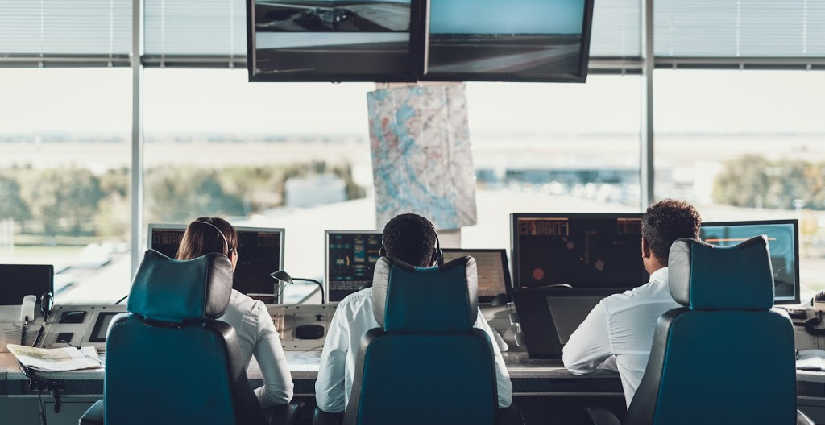
Flight dispatchers also called aircraft dispatchers and airline dispatchers, play a vital role in most large fleet operations, as well as at smaller cargo and flight training operations. In general, flight dispatchers work closely with pilots to plan all aspects of each flight.
Some of the factors a dispatcher must consider include weather (departure, en route, and destination), fuel requirements, aircraft weight & balance, airworthiness of the aircraft, compliance with regulations, alternate destinations, and route and altitude selection.
In general, the flight dispatcher's job is to ensure that a company's aircraft take off on time (weather permitting), are fully loaded to maximize revenues, have adequate fuel, airport, navigation, and weather information on board to complete the flight as planned, burn the least amount of fuel required for the flight, and land at the destination airport on or ahead of schedule. Get info about flight dispatcher training.
Flight Dispatcher Schools
When you attend a college or school offering flight dispatcher training, you'll learn aircraft performance specifications, how air traffic is routed in the National Airspace System by air traffic controllers, how aircraft use navigation and communications systems and facilities, aviation weather analysis, weight, and balance calculations, and of course, federal aviation regulations.
Some schools offer specialized training and accelerated courses that prepare you to take the FAA flight dispatcher certification exams. 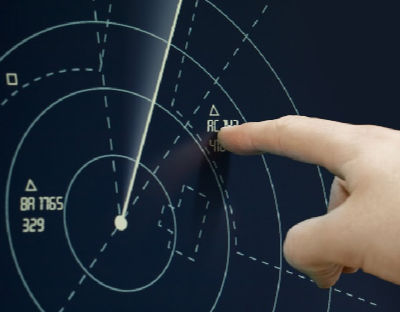 Keep in mind you must already meet the other requirements before enrolling in one of these courses. Learn more about flight dispatcher training.
As a flight dispatcher, you can expect to work for a large airline moving passengers or cargo, for smaller regional airlines as they continue to grow, or in large flight training operation.
Working in a fast-paced, high-pressure environment, you will probably have a computer workstation specialized for the task of planning flights and following changing weather all across the world. Expect to be indoors most of the time, although you will be interfacing with pilots in and around the airport environment, so you could be on the airport tarmac when required.
Flight Dispatcher Duties
Flight dispatchers share the responsibility for the safety of a given flight with the captain of the aircraft. Typically, the flight dispatcher is responsible for creating a flight plan and works with the captain directly on such issues as takeoff and landing performance, fuel load, route, altitudes, weight and balance, and weather conditions.
The flight dispatcher also "releases" a particular aircraft to make it's flight, and, once airborne, monitors the progress of all his/her current flights and shares that information with other key ground personnel. Aircraft dispatchers usually ride along in the cockpit of company-owned aircraft several times per year (the Federal Aviation Administration requires a minimum of five hours per year in the cockpit) to keep their skills sharp in relation to airline procedures, air traffic control routing, and airport environments.
Flight Dispatcher Training Courses
In order to be eligible to become a flight dispatcher, you'll need to be a high school graduate. Of course, the more education you have, the better, as airlines prefer to hire dispatchers with college degrees, and you'll be competing in a tight job market.
If you want to become a flight dispatcher, the time to start your training is now. However, keep in mind that you must be at least 21 to take the Aircraft Dispatcher Knowledge Test (written) and you must be at least 23 to hold an FAA Aircraft Dispatcher Certificate.
Where to Find Flight Dispatcher Training
You can train to become a flight dispatcher in one of three ways:
1. Graduate from a college or vocational training school's Federal Aviation Administration (FAA) approved flight dispatcher course.
2. Work for at least one year as an apprentice and under the direct supervision of an FAA certified flight dispatcher.
3. Work for two of the last three preceding years as an air traffic controller, either in the military or civilian sectors
Learn more about flight dispatcher certification.
Fixed-Wing Aircraft Facts
Fuselage: The fuselage is the main structure or body of the fixed-wing aircraft. It provides space for cargo, controls, accessories, passengers, and other equipment. In single-engine aircraft, the fuselage houses the powerplant. In multiengine aircraft, the engines may be either in the fuselage, attached to the fuselage, or suspended from the wing structure. There are two general types of fuselage construction: truss and monocoque.
Fun Facts About Flight Dispatchers
A flight dispatcher can make anywhere between $40,000 and $105,000 a year including benefits such perks as health, dental and life insurance, paid holidays and vacation, free or reduced travel fares are included as well.
Aircraft Flight Dispatcher Training in Oregon
Some flight dispatcher training schools in Oregon offer specialized training and accelerated courses that prepare flight dispatcher students from Oregon to take the FAA flight dispatcher certification exams. Keep in mind you must already meet the other requirements before enrolling in one of the flight dispatcher training courses in Oregon.
If you attend a college or vocational school in Oregon offering flight dispatcher training, you'll learn all about aircraft performance specifications, how air traffic is routed in the National Airspace System by air traffic controllers, how aircraft use navigation and communications systems and facilities, aviation weather analysis, weight and balance calculations, and of course, federal aviation regulations.
Flight Dispatchers in Oregon serve as one of the most crucial components of the entire airline operation. Flight dispatchers fromOregon are licensed airmen, certified by the Federal Aviation Administration (FAA). Flight dispatchers from Oregon must undergo extensive testing and training to earn this highly sought after certificate, and must pass both an extensive oral examination and the comprehensive written Aircraft Dispatcher test.
The Aircraft or Flight Dispatcher tests are equivalent to the Air Transport Pilot (ATP) written and oral examinations that airline pilots take as part of their licensing procedure. They are, in essence, pilots on the ground, and are as legally liable for the aircraft as is the pilot in the cockpit.
In order to be eligible to become a flight dispatcher in Oregon, you'll need to be a high school graduate. Of course, the more education you have, the better, as airlines prefer to hire dispatchers with college degrees, and you'll be competing in a tight job market.
If you want to become a Oregon flight dispatcher, the time to start your training is now. However, keep in mind that you must be at least 21 to take the Aircraft Dispatcher Knowledge Test (written) and you must be at least 23 to hold an FAA Aircraft Dispatcher Certificate.
The role of an aircraft dispatcher in Oregon is important and complex. They are the ground-based eyes and ears for the pilot in the air. Regulations stemming from the FAA hold both the pilot and the dispatcher as being equally responsible for the safety of the flight. Working jointly with the pilot, the dispatcher draws up a flight plan that will allow the aircraft to arrive at its destination safely and as cost-efficiently as possible.
Flight dispatchers from Oregon follow the developing weather along the route as well as at the final destination. They ensure the aircraft has all the provisions (fuel, food, etc.) needed to make the flight safely. They also track the flight to ensure it remains on course per the flight plan, keeping all ground support personnel aware of its progress.
Where to Find Flight Dispatcher Training in Oregon
You can train to become a flight dispatcher in one of three ways:
1. Graduate from a college or vocational training school's Federal Aviation Administration (FAA) approved flight dispatcher course in Oregon.
2. Work for at least one year as an apprentice and under the direct supervision of an FAA certified flight dispatcher.
3. Work for two of the last three preceding years as an air traffic controller, either in the military or civilian sectors
Oregon Flight Dispatchers Job Description
Oregon Flight Dispatchers are licensed airmen certificated by the Federal Aviation Administration and have joint responsibility with the captain for the safety and operational control of flights under his/her guidance.
Flight Dispatchers from Oregon authorize, regulate, and control commercial airline flights according to government and company regulations to expedite and ensure the safety of flight by performing the following tasks:
- responsible for economics, passenger service and operational control of day to day flight operations.
- analyze and evaluate meteorological information to determine potential hazards to the safety of flight and to select the most desirable and economic route of flight.
- compute the amount of fuel required for the safe completion of flight according to the type of aircraft, the distance of the flight, maintenance limitations, weather conditions and minimum fuel requirements prescribed by federal aviation regulations.
- prepare flight plans containing information such as maximum allowable takeoff and landing weights, weather reports, field conditions, NOTAMS and many other informational components required for the safe completion of the flight.
- prepare and signs the dispatch release which is the legal document providing authorization for a flight to depart.
- delay or cancel flights if unsafe conditions threaten the safety of his/her aircraft or passengers.
- monitor weather conditions, aircraft position reports, and aeronautical navigation charts to evaluate the progress of the flight.
- update the pilot in command of significant changes to weather or flight plan and recommends flight plan alternates, such as changing course, altitude and, if required, enroute landings in the interest of safety and economy.
- originate and disseminate flight information to others in his/her company including stations and reservations. This is the source of information provided to the traveling public.
Flight Dispatchers from Oregon have undergone extensive training to have earned the coveted Flight Dispatcher's certificate having taken and passed both an extensive oral examination and the comprehensive Dispatch ADX test, administered by the Federal Aviation Administration. These tests are equivalent to the same Air Transport Pilot (ATP) written and oral examinations that an airline captain must successfully complete.
Flight Dispatchers from Oregon participate in frequent and detailed recurrent training courses covering aircraft systems, company operations policy, meteorology and Federal Air Regulations as required by the FAA.
Flight Dispatcher Salaries in Oregon
How much do flight dispatchers from Oregon make? PayScale.com reports that flight dispatchers from Oregon with 1-4 years experience make between $31,000 and $46,000, and those with more than five years experience earn between $40,000 and $92,000 per year.
AvJobs.com reports that the highest-paid dispatchers from Oregon can earn $110,000 per year.
According to Careers.StateUniversity.com, flight dispatcher salaries in >Oregon vary depending on the dispatcher's experience, size of the operation, location, and size of the airport. Starting salaries can be as low as $20,000 per year and top out at over $100,000 annually. Learn about flight dispatcher training.
Flight Dispatcher Benefits
Other flight dispatcher benefits in Oregon may include health insurance, life insurance, retirement plans, and travel benefits (if airline employed) for you and your immediate family, including free or reduced airfares and discounts at major hotels. Another possible benefit of working for an airline is being able to ride in the cockpit jumpseat. Dispatchers are required to fly in the jumpseat at least five hours per year as part of their recurrent training, but dispatchers are also allowed to fly in the jumpseat on their own airline, and most other airlines, anywhere, anytime the jumpseat is available. Get more information about flight dispatcher jobs.
Heliports Facts for Beaverton
A heliport is a type of airfield devoted to use by helicopters exclusively. Consisting of many helipads and hangers used to protect the helicopters from the elements, helicopters are able to avoid the confined and typically crowded airspace associated with a common airport.
FAA - A History of Aircraft Structures Factoid for Beaverton
Octave Chanute, a retired railroad and bridge engineer, was active in aviation during the 1890s. His interest was so great that, among other things, he published a definitive work called “Progress in Flying Machines.” This was the culmination of his effort to gather and study all the information available on aviation. With the assistance of others, he built gliders similar to Lilienthal’s and then his own. In addition to his publication, Chanute advanced aircraft structure development by building a glider with stacked wings incorporating the use of wires as wing supports.
Helicopter Factoid for Bends for Bend
Currently, helicopters are used to dust crops, apply pesticide, access remote areas for environmental work, deliver supplies to workers on remote maritime oil rigs, take photographs, film movies, rescue people trapped in inaccessible spots, transport accident victims, and put out fires. Moreover, they have numerous intelligence and military applications.
Aviation Facts - Stability and Control of an Aircraft
An aircraft must have sufficient stability to maintain a uniform flightpath and recover from the various upsetting forces. Also, to achieve the best performance, the aircraft must have the proper response to the movement of the controls. Control is the pilot action of moving the flight controls, providing the aerodynamic force that induces the aircraft to follow a desired flightpath. When an aircraft is said to be controllable, it means that the aircraft responds easily and promptly to movement of the controls. Different control surfaces are used to control the aircraft about each of the three axes. Moving the control surfaces on an aircraft changes the airflow over the aircraft’s surface. This, in turn, creates changes in the balance of forces acting to keep the aircraft flying straight and level.
Fun Helicopter Facts for Corvallis
Early efforts to imitate maple pods produced the whirligig, a children's toy popular in China as well as in medieval Europe. During the fifteenth century, Leonardo da Vinci, the renowned Italian painter, sculptor, architect, and engineer, sketched a flying machine that may have been based on the whirligig.
Helicopter Factoid for Corvalliss in Corvallis
The U.S. Forest Service acquired 25 retired AH-1Fs from the U.S. Army. These have been designated Bell 209s and are being converted into Firewatch Cobras with infrared and low light sensors and systems for real time fire monitoring. Army attack helicopters have been stripped of their weapons and lasers. Cameras and infrared sensors have been added to convert them to Cobra Firewatch Helicopters for the CAL Fire Air Program.
Helicopter Facts for Eugene
Emmanuel Dieuaides steam-powered design featured counter-rotating rotors powered through a hose from a boiler on the ground. If you include military helicopters it is estimated that there are more than 45,000 operating worldwide. Helicopters can be flown across oceans if additional fuel is made available or in-flight refueling is employed.
FAA - A History of Aircraft Structures Factoid for Eugene
Into the 1930s, all-metal aircraft accompanied new lighter and more powerful engines. Larger semimonocoque fuselages were complimented with stress-skin wing designs. Fewer truss and fabric aircraft were built. World War II (WWII) brought about a myriad of aircraft designs using all metal technology. Deep fuel-carrying wings were the norm, but the desire for higher flight speeds prompted the development of thin-winged aircraft in which fuel was carried in the fuselage. The first composite structure aircraft, the De Havilland Mosquito, used a balsa wood sandwich material in the construction of the fuselage. The fiberglass radome was also developed during this period.
Fun Helicopter and Airplane Facts for Gresham
Igor Sikorsky is considered to be the “father” of helicopters not because he invented the first. He is called that because he invented the first successful helicopter
The International Helicopter Safety Team (IHST) is focused on reducing all helicopter accidents and it envisions an international civil helicopter community that experiences zero accidents. To reach this goal, the IHST is focused on educating all operators and pilots about how civil helicopter accidents occur and how they can be prevented.
FAA - A History of Aircraft Structures Factoid for Gresham
In the 1960s, ever larger aircraft were developed to carry passengers. As engine technology improved, the jumbo jet was engineered and built. Still primarily aluminum with a semimonocoque fuselage, the sheer size of the airliners of the day initiated a search for lighter and stronger materials from which to build them. The use of honeycomb constructed panels in Boeing’s airline series saved weight while not compromising strength. Initially, aluminum core with aluminum or fiberglass skin sandwich panels were used on wing panels, flight control surfaces, cabin floor boards, and other applications.
Helicopter Training Facts for Hillsboro:
All helicopter pilot training programs have long hours, packed schedules, and a very heavy workload. Students are expected to dedicate the time and effort required to be successful in this exclusive program. When Student Pilots put in the long hours, the payoff is a phenomenal career filled with adventure and excitement.
FAA - A History of Aircraft Structures Factoid for Hillsboro
The work of all of these men was known to the Wright Brothers when they built their successful, powered airplane in 1903. The first of its kind to carry a man aloft, the Wright Flyer had thin, cloth-covered wings attached to what was primarily truss structures made of wood. The wings contained forward and rear spars and were supported with both struts and wires. Stacked wings (two sets) were also part of the Wright Flyer.
Heliports Facts:
The typical heliport contains several helipads. Helipads are smooth and flat areas devoted to helicopter landing and take offs. The heliport consists of a control tower in most instances, a radio station as well as identification and emergency lighting.
Helicopter History for Medford
In the 1880s, the well-known scientist and inventor Thomas Edison experimented with small helicopter models. He tested several rotor configurations driven by a gun cotton engine, which was an early form of internal combustion engine. A series of explosions and other mishaps deterred further experiments with these engines. Later, Edison used an electric motor for power, and he was one of the first to realize from his experiments the need for a large diameter rotor with low blade area to give good hovering efficiency. Unlike other inventors of the times, Edison's more scientific approach to the vertical flight problem proved that both high aerodynamic efficiency of the rotor and high power from an engine were required if successful flight was to be achieved.
Helicopter History Fact
In 1783, Christian de Launoy, and his mechanic, Bienvenu, made a model with a pair of counter-rotating rotors, using turkey flight feathers as rotor blades, and in 1784, demonstrated it to the French Academy of Sciences.
Helicopters are classified as rotary wing aircraft, and their rotary wing is commonly referred to as the main rotor or simply the rotor.
FAA - A History of Aircraft Structures Factoid for Portland
In 1909, Frenchman Louis Bleriot produced an aircraft with notable design differences. He built a successful mono-wing aircraft. The wings were still supported by wires, but a mast extending above the fuselage enabled the wings to be supported from above, as well as underneath. This made possible the extended wing length needed to lift an aircraft with a single set of wings. Bleriot used a Pratt truss-type fuselage frame.
Helicopter Facts for Salem
In 1878 the Italian Enrico Forlaninis unmanned vehicle that was also powered by a steam engine, was the first of its type that rose to a height of 12 meters (40 ft), where it hovered for some 20 seconds after a vertical take-off.
Over 3 million lives have been saved by helicopters in both peacetime and wartime operations since the first person was rescued from the sea in 1944.
FAA - A History of Aircraft Structures Factoid for Salem
More powerful engines were developed, and airframe structures changed to take advantage of the benefits. As early as 1910, German Hugo Junkers was able to build an aircraft with metal truss construction and metal skin due to the availability of stronger powerplants to thrust the plane forward and into the sky. The use of metal instead of wood for the primary structure eliminated the need for external wing braces and wires. His J-1 also had a single set of wings (a monoplane) instead of a stacked set.
Helicopter Fun Facts for Springfield
Numerous individuals have contributed to the conception and development of the helicopter. The idea appears to have been bionic in origin, meaning that it derived from an attempt to adapt a natural phenomenain this case, the whirling, bifurcated fruit of the maple treeto a mechanical design.
The FAA World From The Perspective of Air Traffic
At any given moment there are approximately 5,000 aircraft traversing the U.S. skies.The FAA is a year-round, 24/7 operation, responsible for 5.3 million square miles of U.S. domestic airspace and 24 million square miles of U.S. airspace over the oceans. There are 43,290 average daily flights in and out of the U.S. More than 14,000 air traffic controllers manage traffic from many of the FAA’s 700 facilities. Fifty-five hundred airway transportation system specialists maintain more than 70,000 pieces of equipment.Aviation contributes $1.6 trillion annually to the U.S. economy and constitutes 5.1 percent of the gross domestic product. Aviation generates 10 million jobs in the U.S. annually.